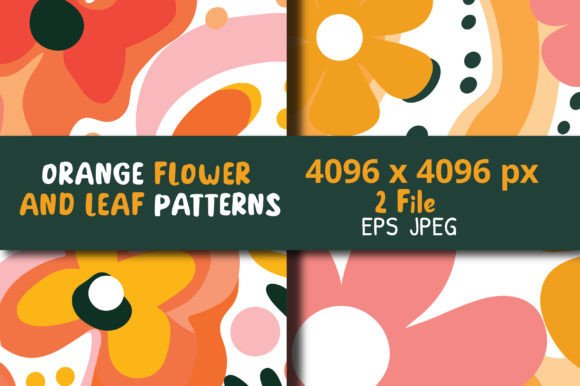
Orange Flower and Leaf Patterns: A Guide to Nature-Inspired Elegance
Orange flower and leaf patterns bring a vibrant, nature-inspired elegance to any design project. Whether you're creating t-shirt designs, greeting cards, or home decor items, these patterns offer a fresh and lively aesthetic that can transform ordinary spaces into something extraordinary. With their warm tones and organic shapes, orange flower and leaf patterns are perfect for adding a touch of natural beauty to your creative work.
When choosing orange flower and leaf patterns, it's important to consider the resolution, file formats, and color modes available. These factors directly affect the quality and usability of the design across various applications. Understanding the specifications and best practices for using these patterns ensures that your final product looks professional and polished.
Understanding Orange Flower and Leaf Patterns
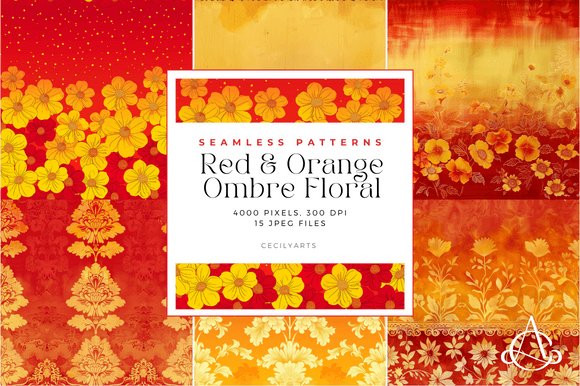
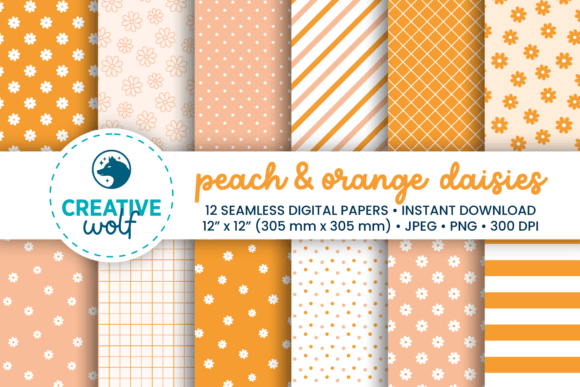
Orange flower and leaf patterns are inspired by the vibrant hues of autumn leaves and blooming flowers. They feature intricate details and flowing lines that mimic the natural world. These designs are versatile and can be used in a wide range of creative projects, from fashion to home décor.
The appeal of orange flower and leaf patterns lies in their ability to evoke warmth and energy. The color orange is associated with creativity, enthusiasm, and vitality, making it an excellent choice for designs intended to inspire or uplift. Additionally, the leaf elements add a sense of growth and renewal, which can be especially meaningful in personal or commercial branding.
Common Mistakes When Using Orange Flower and Leaf Patterns
While orange flower and leaf patterns are visually appealing, there are several common mistakes that can detract from their effectiveness. One of the most frequent errors is not considering the resolution and file format when downloading or purchasing these designs. For example, using low-resolution images for printing can result in blurry or pixelated prints, which can significantly impact the overall quality of your project.
Another mistake is neglecting to check whether the pattern is seamless. Seamless repeat patterns are essential for projects like fabric prints or wallpaper, as they ensure that the design flows smoothly without visible seams or breaks. Failing to verify this detail can lead to unsatisfactory results, especially when the pattern is used on larger surfaces.
Additionally, many people overlook the importance of color mode when working with these designs. Choosing the wrong color mode, such as RGB instead of CMYK, can cause unexpected color shifts when the design is printed. This can be particularly problematic for professional-grade prints where color accuracy is crucial.
Practical Advice for Choosing and Using Orange Flower and Leaf Patterns
To avoid these common pitfalls, it's essential to carefully review the specifications before selecting an orange flower and leaf pattern. Look for high-resolution files (such as 4096 x 4096 pixels) and ensure that the design is available in the correct color mode (CMYK) for print projects. If you're planning to use the pattern digitally, RGB may be more appropriate, but always confirm the intended use.
When evaluating the pattern for seamless repetition, zoom in on the edges of the image to check for any mismatched lines or gaps. A well-designed seamless pattern should flow naturally from one side to the other without any visible interruption. If you're unsure, look for user reviews or sample images that demonstrate how the pattern repeats.
It's also important to consider the application of the pattern. For instance, if you're designing a T-shirt, make sure the pattern is scaled appropriately to fit the garment without distortion. Similarly, when creating children’s room prints, choose a pattern that is both visually appealing and suitable for the target age group.
Realistic Examples and Better Approaches
Imagine you're designing a set of greeting cards featuring orange flower and leaf patterns. If you use a low-resolution image, the details of the flowers and leaves may appear fuzzy or unclear when printed. To avoid this, select a high-resolution file (at least 300 DPI) and ensure that the design is optimized for print.
Another example involves creating eco-friendly bags with these patterns. If the pattern isn't seamless, the repeated design may look awkward or unprofessional when viewed from different angles. Always test the pattern on a small swatch before proceeding with a full-scale production.
For digital use, such as designing social media graphics or website backgrounds, consider the scalability of the pattern. High-resolution files allow for greater flexibility, ensuring that the design remains crisp and clear even when resized.
What to Check Before Making a Decision
Before committing to an orange flower and leaf pattern, take the time to review the following details:
- Resolution: Ensure the file is at least 300 DPI for print and 72 DPI for web use.
- File Formats: Look for JPG and EPS files, which are widely compatible and suitable for both digital and print projects.
- Seamless Repeat: Verify that the pattern can be repeated seamlessly without visible breaks.
- Color Mode: Choose CMYK for print and RGB for digital use to ensure accurate color representation.
- Licensing: Confirm the usage rights to avoid any legal issues, especially if you're selling products featuring the design.
By paying attention to these details, you can ensure that your orange flower and leaf pattern is both aesthetically pleasing and technically sound.
Whether you're a beginner or an experienced designer, incorporating orange flower and leaf patterns into your projects can add a unique and elegant touch. By understanding the specifications and best practices for using these designs, you can create stunning visuals that stand out and leave a lasting impression.